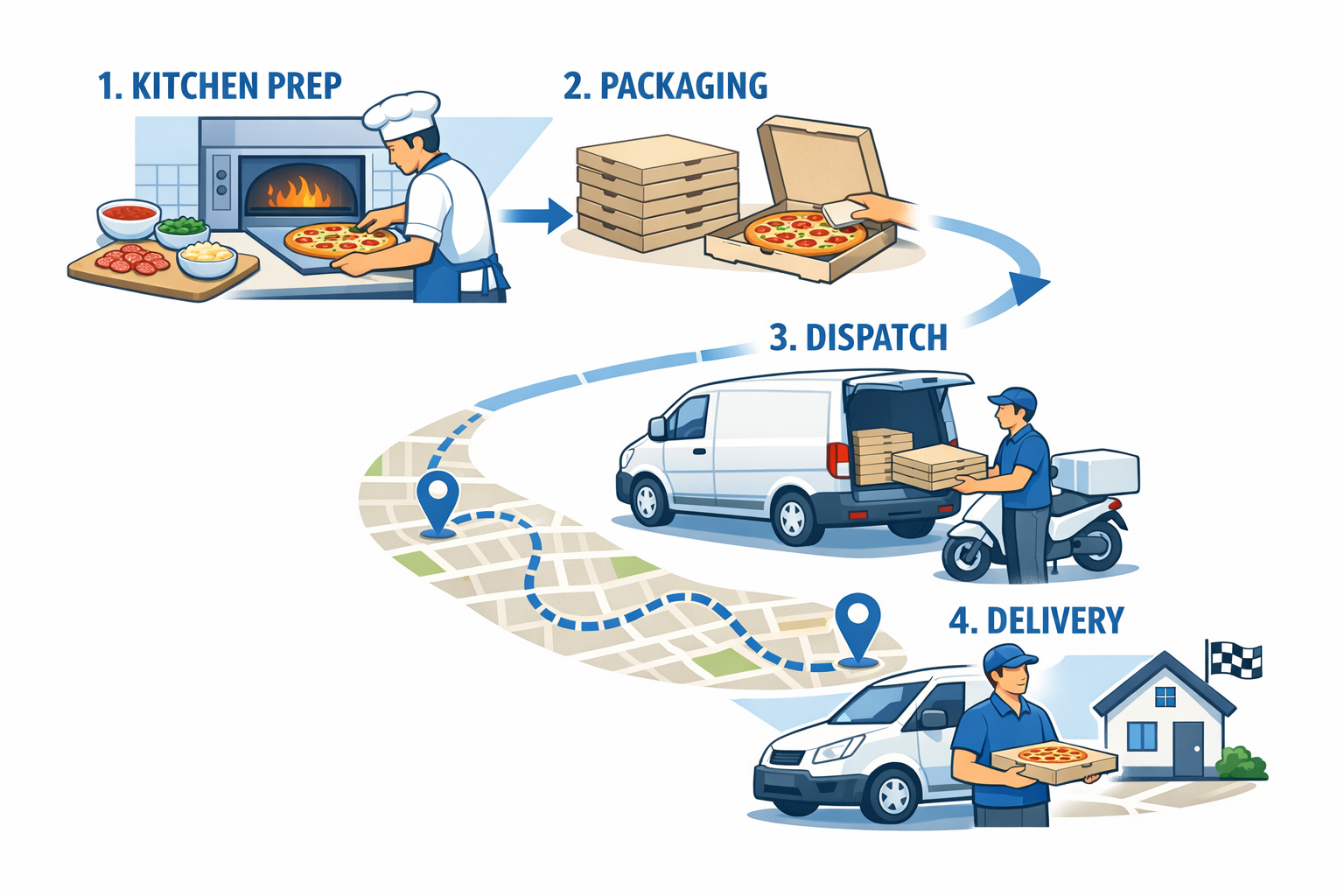
Understanding the Pizza Delivery Ecosystem
The pizza delivery process represents a sophisticated logistical operation that requires careful coordination between multiple stages and personnel. From the moment an order is placed to the final doorstep delivery, each step must execute precisely to ensure food quality and customer satisfaction. This comprehensive guide explores the complete delivery workflow, providing consumers with insight into the complex systems that make modern pizza delivery possible.
Modern pizza delivery operations have evolved significantly from their early beginnings, incorporating advanced technologies, standardized processes, and quality control measures at every stage. Understanding these processes helps consumers appreciate the complexity behind what might appear to be a simple service, while also providing insight into why delivery times and procedures vary across different circumstances.
Order Preparation and Kitchen Operations
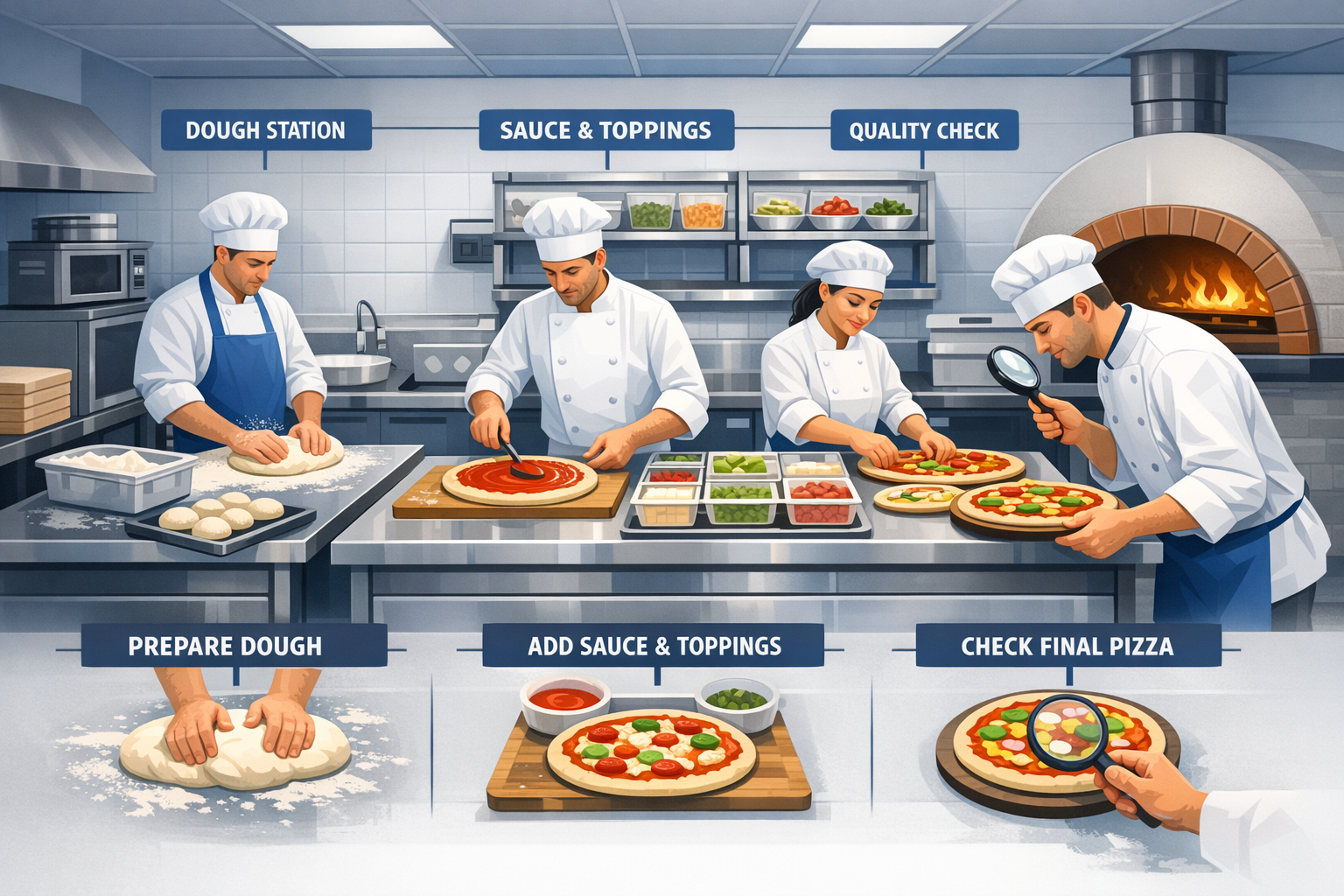
The delivery process begins in the kitchen, where skilled teams work efficiently to prepare orders according to specific requirements and quality standards. Kitchen operations represent the foundation of successful delivery, as properly prepared food is essential for maintaining quality throughout the delivery journey. The preparation stage involves multiple coordinated activities that must occur simultaneously to ensure timely order completion.
Upon receiving an order, kitchen staff immediately begin gathering ingredients and preparing the pizza according to specified toppings and customization requests. This process requires careful attention to detail, as each order must meet quality standards while being prepared within established timeframes. Experienced kitchen teams develop efficient workflows that allow them to handle multiple orders simultaneously without compromising quality or accuracy.
Quality control measures are implemented throughout the preparation process, with checks at various stages to ensure food safety and presentation standards. These measures include temperature monitoring, ingredient freshness verification, and final inspection before packaging. The kitchen environment itself is designed for efficiency, with organized workstations and clear communication channels between team members to minimize errors and maximize productivity.
Preparation times can vary based on order complexity, kitchen capacity, and current demand volume. During peak periods, kitchens must balance speed with quality, implementing strategies to maintain high standards while meeting increased order volume. This delicate balance requires experienced management and well-trained staff who can adapt to changing conditions without sacrificing food quality or safety.
Packaging and Temperature Control
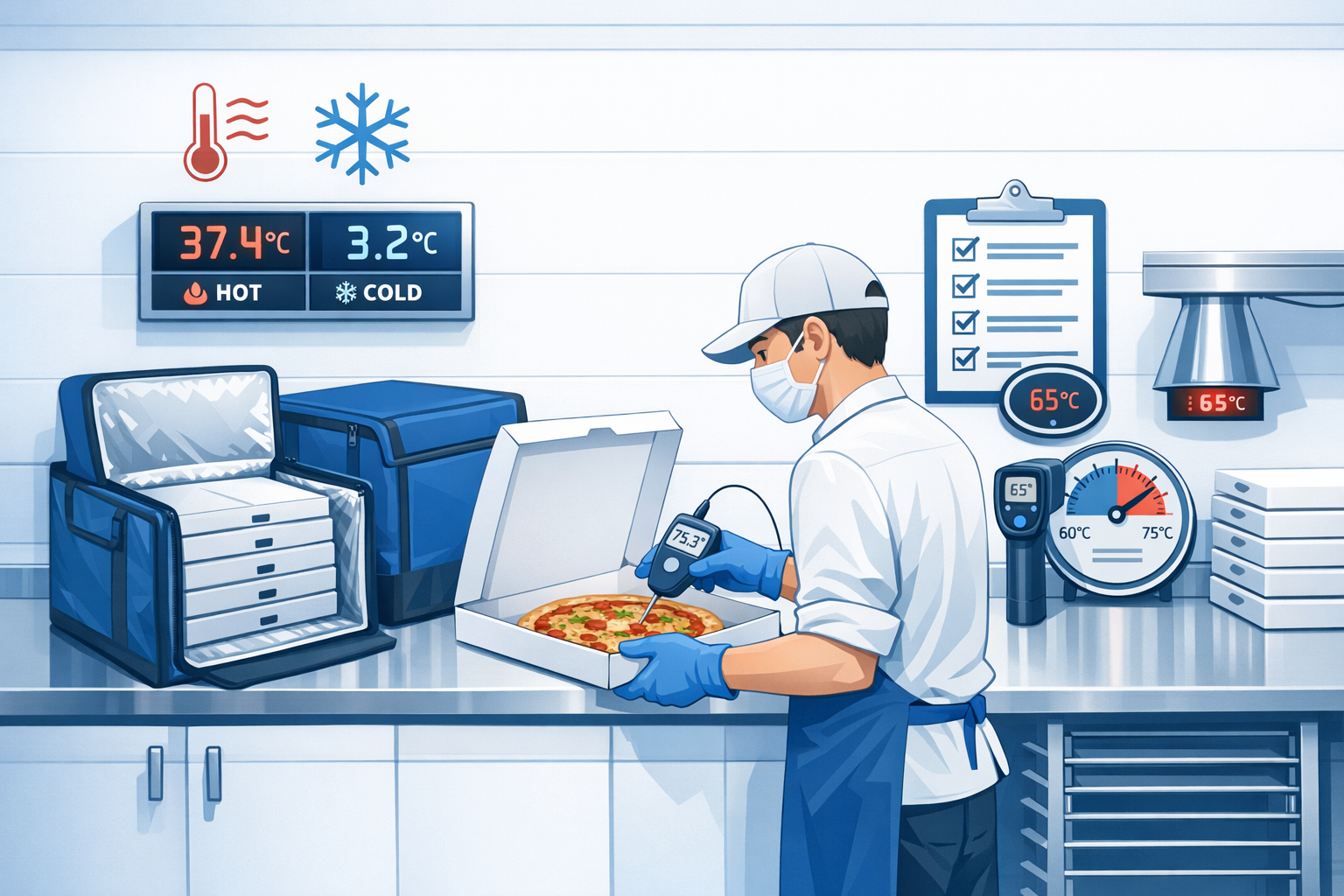
Once preparation is complete, the packaging stage becomes critical for maintaining food quality during transit. Proper packaging serves multiple essential functions: temperature retention, structural protection, moisture control, and presentation preservation. Modern pizza delivery packaging incorporates advanced materials and design principles specifically engineered to address these challenges.
Insulated delivery bags represent the primary tool for temperature control during delivery. These specialized bags use thermal insulation materials to maintain optimal temperatures, keeping pizzas hot while preventing excess moisture buildup that could affect crust quality. The design of these bags considers factors such as heat retention, breathability, and ease of handling for delivery personnel. High-quality packaging can significantly impact the final product quality that reaches the customer.
Beyond temperature control, packaging must also protect the pizza during transport. Delivery vehicles encounter various road conditions, including turns, stops, and acceleration that can cause food to shift or become damaged. Secure packaging designs help maintain pizza integrity, preventing toppings from sliding or crust from becoming crushed. The packaging process includes careful placement and securing techniques to minimize movement during transit.
Moisture management represents another critical aspect of packaging design. Pizzas release steam during transport, which can accumulate and affect crust texture if not properly managed. Modern packaging incorporates ventilation features that allow excess moisture to escape while retaining necessary heat. This balance helps ensure that pizzas arrive with the intended texture and quality, maintaining the dining experience that customers expect.
Dispatch and Route Assignment
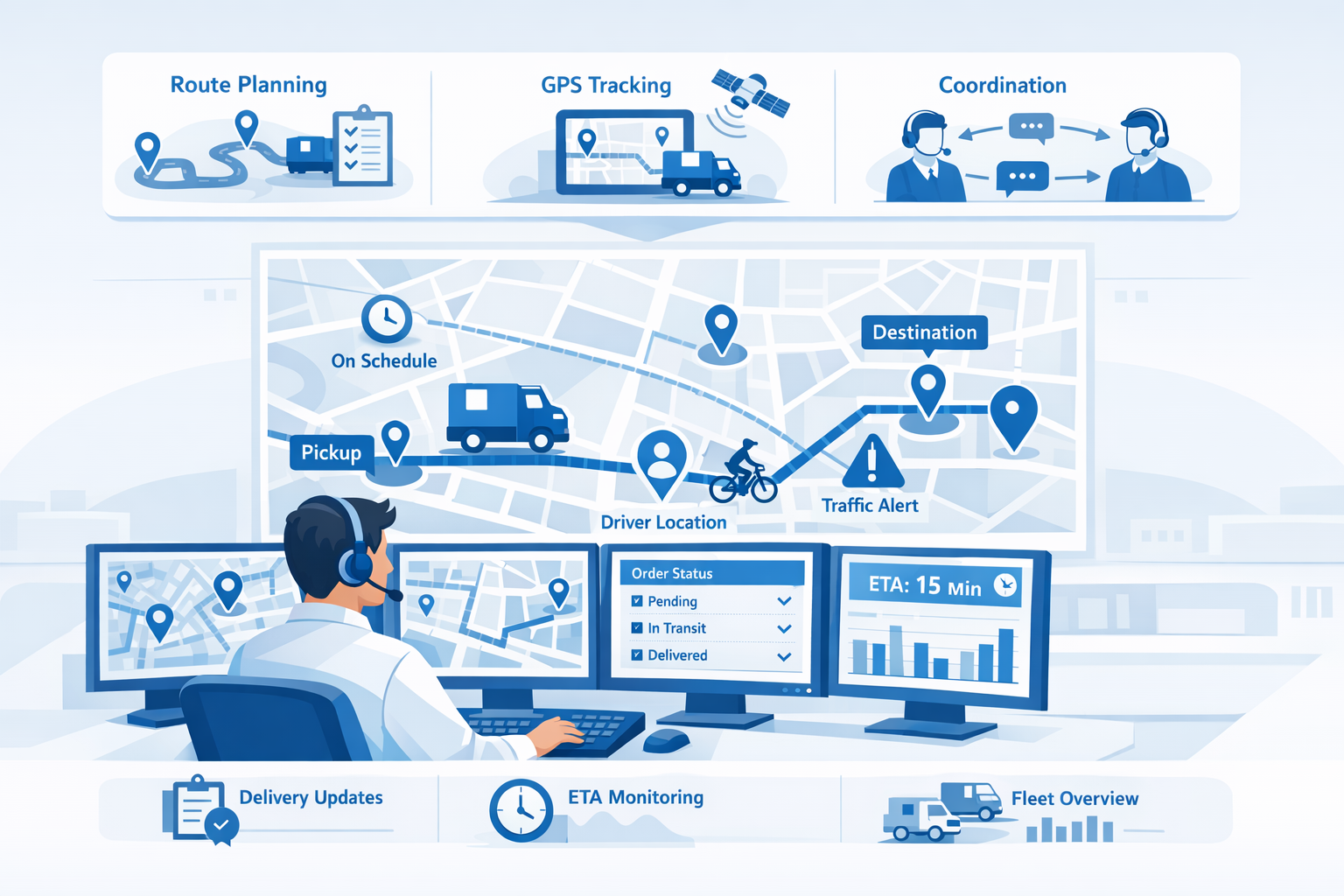
The dispatch stage represents a critical coordination point where prepared orders are matched with available delivery personnel. This process requires real-time assessment of multiple factors, including delivery locations, driver availability, route efficiency, and order priority. Effective dispatch systems balance these competing considerations to optimize overall delivery performance.
Dispatch personnel or automated systems evaluate each order's delivery address in relation to current driver positions and existing routes. This geographic analysis helps determine the most efficient assignment, minimizing total travel distance and time while ensuring fair distribution of orders among available drivers. The goal is to create routes that maximize efficiency while maintaining reasonable delivery times for all customers.
Route planning considers various factors beyond simple distance calculations. Traffic patterns, road conditions, delivery sequence, and estimated preparation completion times all influence dispatch decisions. Experienced dispatch teams develop intuitive understanding of local geography and typical traffic patterns, allowing them to make informed decisions that account for real-world conditions rather than theoretical optimal routes.
Communication between dispatch and delivery personnel is essential for smooth operations. Clear instructions regarding delivery addresses, special requirements, and time expectations help ensure successful deliveries. Modern dispatch systems often include real-time communication capabilities that allow for adjustments based on changing conditions, such as unexpected traffic or order modifications.

Final Delivery and Customer Interaction
The final stage of the delivery process involves the actual transportation and handover of the order to the customer. This phase requires careful attention to driving safety, food protection, and professional customer service. Delivery personnel serve as the face of the operation, making their performance crucial for customer satisfaction and overall service quality.
Safe driving practices are paramount during the delivery phase. Delivery personnel must navigate various road conditions while protecting the order's quality. This includes smooth acceleration and braking, careful cornering, and appropriate speed management. The challenge lies in balancing efficient delivery with safety considerations, ensuring that orders arrive promptly without compromising food quality or risking accidents.
Upon arrival at the delivery location, proper procedures ensure successful order handover. This includes verifying the delivery address, confirming order details, and presenting the food in an appealing manner. Professional delivery personnel understand the importance of this final interaction, as it represents the culmination of the entire delivery process and significantly impacts customer satisfaction.
Customer service during delivery extends beyond simple order handover. Courteous interaction, attention to special requests, and professional demeanor all contribute to positive delivery experiences. Even when challenges arise, such as difficult-to-find addresses or customer unavailability, professional delivery personnel handle situations with patience and problem-solving skills that reflect well on the entire operation.
Quality Assurance Throughout the Process
Quality assurance measures are integrated throughout the entire delivery process, from initial order receipt to final delivery. These measures help maintain consistent standards and identify areas for improvement. Regular monitoring and feedback collection enable continuous refinement of delivery operations, ensuring that processes evolve to meet changing customer expectations and operational challenges.
Temperature monitoring occurs at multiple stages, with checks during packaging, dispatch, and delivery to ensure food safety and quality standards are maintained. Visual inspections verify that packaging remains intact and food presentation meets established criteria. Customer feedback provides valuable insights into delivery performance, highlighting both successes and areas needing attention.
The delivery process represents a complex orchestration of multiple stages, each dependent on the others for overall success. Understanding this process helps consumers appreciate the sophistication behind pizza delivery operations while providing insight into the factors that influence their delivery experience. From kitchen preparation to final doorstep delivery, each stage requires careful coordination and attention to detail to ensure the high-quality service that customers expect.